Forming Fabric
One weaving platform, three forming routes: graphite and thermal-sheet forming lines, paper machine forming (the wet end of the paper machine), and nonwoven web formation — anti-hydrolysis polyester monofilament, seamed to your machine.
Forming fabric — known in the industry as forming wire since the bronze-wire era — is the woven monofilament belt that forms and dewaters the fiber web at the wet end of paper machines and nonwoven forming machines. Aurora FF series covers 1-layer, 1.5-layer, 2-layer and 3-layer (SSB) constructions in anti-hydrolysis polyester, matched to machine speed, retention and drainage demands. Forming fabric is the flagship of the Aurora paper machine clothing (PMC) line — dryer fabrics and spiral fabrics complete the wet-to-dry range from the same weaving platform.
Family 1 · Graphite & thermal-sheet forming
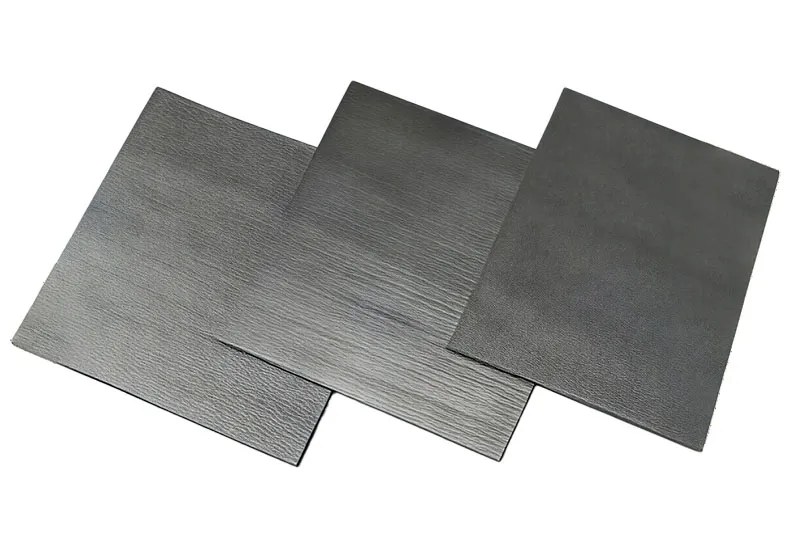
Thermal-management sheets are continuous-forming products too. Flexible graphite sheet starts as expandable natural graphite: the intercalated flakes are shock-heated past 800 °C into expanded graphite "worms", spread into a uniform mat on a moving forming surface, then calendered roll after roll into a binder-free foil (95–99% carbon) — Toyo Tanso's PERMA-FOIL is the classic example. Synthetic graphite film for smartphones takes the casting route: a polyimide precursor film is cast continuously, then carbonized and graphitized at up to 3 300 °C into film with 700–1 950 W/m·K of in-plane conductivity. Both routes run on precisely woven forming and support fabrics.
What the fabric forms — the sheet itself
Graphite sheet · graphite film · graphene film
Expanded graphite worms are spread into a uniform mat and calendered into the flexible graphite sheet shown here; the cast route turns polyimide precursor film into graphite and graphene thermal film. Either way, the forming deck and support conveyor decide thickness uniformity — which is why thermal-film lines run fabrics built to calendering tolerances.
Downstream — into the vapor-chamber stack
Where the film goes
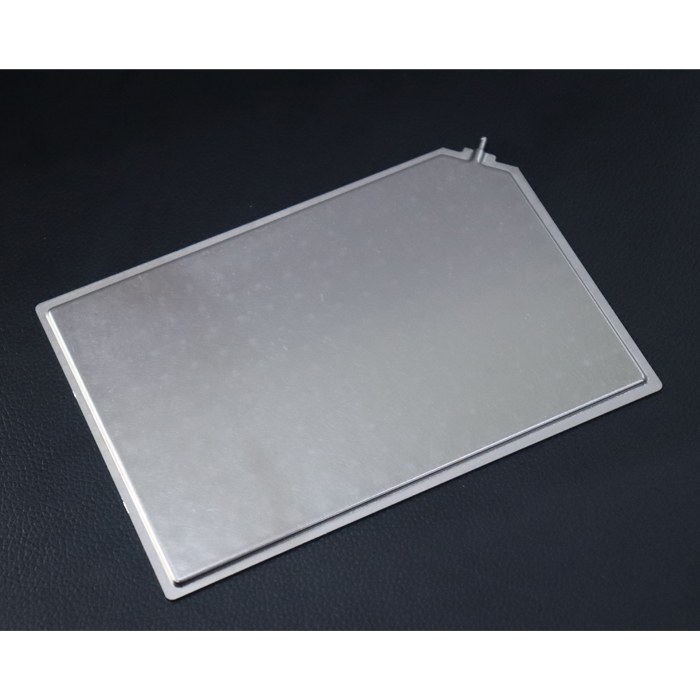
Three names, one role: the graphite sheet (expanded-graphite route), the graphite film and the graphene thermal film (cast PI route) are the lateral heat-spreading layers in a phone's thermal stack. They feed into vapor-chamber assemblies — the sealed plate shown here — where the VC handles hotspot spreading while the film conducts heat to the frame; Huawei's P30 Pro was the first to pair the two. Our forming fabrics produce that sheet / film layer itself.
What the fabric must do on a graphite line. Even, fine support so the sheet calenders to uniform thickness; a release surface graphite will not cling to; dimensional stability through the hot deck; and anti-static yarns — graphite dust is conductive, so a charged belt fouls fast. We weave the forming deck and support-conveyor fabrics to those four requirements.
Family 2 · Paper forming — the PMC flagship
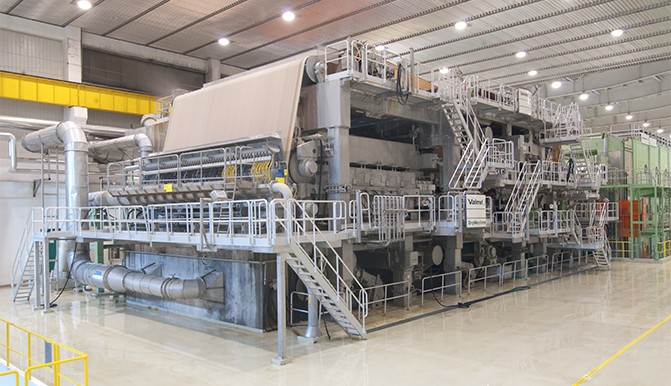
Forming fabric — known in the trade as forming wire since the bronze-wire era — is the woven monofilament belt at the wet end of every paper machine, where the fiber web is formed and dewatered. Aurora FF fabrics cover 1-layer, 1.5-layer, 2-layer and 3-layer SSB constructions in anti-hydrolysis polyester, matched to machine speed, retention and drainage.
FF series — paper machine forming
Packaging · Printing & writing · Tissue
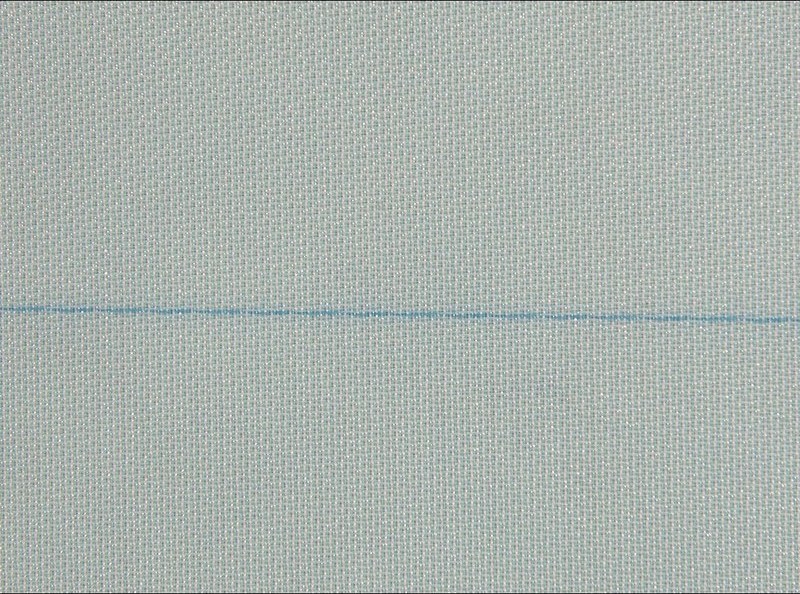
Models 611, 624, 656 and 656A cover the common machine positions — from the open 2/2 twill of a packaging former to the fine 4/1 satin of a high-smoothness grade — with factory-tested air permeability, tensile and weight. Seamed to the machine or supplied endless.
Specifications — factory test data
| Model | Warp yarn (mm) | Weft yarn (mm) | Warp/Weft dens. (/cm) | Weave | Air perm. (CFM) | Thickness (mm) | Weight (g/m²) | Tensile (N/cm) |
|---|---|---|---|---|---|---|---|---|
| 611 | PET 0.8 × 0.42 red | PET 0.8 white | 11 / 5.5 | 2/2 twill | 799 | 1.25 | 896 | 1102 |
| 624 | PET 0.5 white | PET 0.5 white | 24 / 12 | Double layer | 781 | 2.26 | 1212 | 1029 |
| 656 | PET 0.35 white | PET 0.55 white | 33 / 8.4 | 4/1 satin | 211–219 | 0.92 | 890 | 1502 |
| 656A | PET 0.35 white | PET 0.55 white | 40 / 11 | 4/1 satin | 76–86 | 0.92 | 890 | 1151 |
Family 3 · Nonwoven forming
The same forming-wire discipline runs on nonwoven lines: spunlaid (spunbond & meltblown) decks under the spinneret, airlaid and wet-laid forming wires, and spunlace conveying meshes — air-permeable, fiber-retaining and anti-static for clean web release.
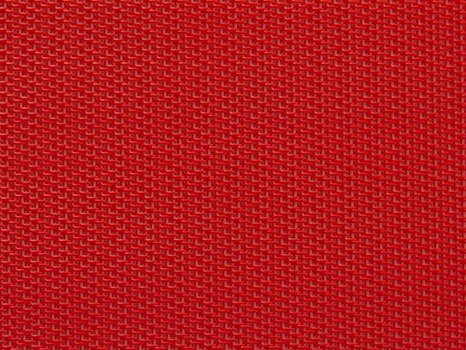
Nonwoven forming wires
Spunbond · Airlaid · Spunlace
Anti-hydrolysis monofilament woven for even suction through the deck and clean web release at the transfer — the same platform we supply to paper mills, tuned for synthetic fiber webs.
Machine & platform fit
Fourdrinier machines · Hybrid / gap formers · Nonwoven spunlace & airlaid lines · Belt conveyors & graphite forming lines
Frequently Asked Questions
What is a forming fabric and why is it also called forming wire?
A forming fabric is the woven monofilament belt that forms and dewaters the fiber web at the wet end of a paper machine. It is still commonly called a forming wire (or simply wire) because early paper machines used woven bronze wires — polyester fabrics replaced them, but the old name survives among machine crews.
Which layer construction should I choose?
1-layer fabrics give maximum drainage for fast machines and heavy stock; 2-layer and 3-layer (SSB) constructions give a smoother surface, better fiber support and finer retention for quality grades. We recommend per paper grade and machine speed.
What does mesh count mean on a forming fabric?
Mesh count is the number of MD yarns (and CD yarns) per centimetre — higher counts mean smaller openings and better fiber retention, lower counts drain faster. Our spec table lists typical mesh counts per series.
Do you offer anti-hydrolysis forming fabrics?
Yes. Anti-hydrolysis monofilament extends fabric life in hot, humid forming sections — typically the economical choice for brown-stock and recycled lines.
Can you make belts endless or with special seams?
Yes: pin seams, clipper seams and endless (seamless) edges, with sealed or reinforced edges to suit your machine.
Do you supply fabrics for nonwoven forming machines?
Yes — spunlace, needle-punch and airlaid forming fabrics are a core line, in the same anti-hydrolysis polyester monofilament.
Do you supply forming fabrics for graphite sheet lines?
Yes. We weave the forming-deck and support-conveyor fabrics for continuous flexible-graphite and thermal-film lines — even fine support for uniform calendering, a release surface graphite will not cling to, heat stability, and anti-static yarns as standard (graphite dust is conductive).
Graphite sheet or vapor chamber — what does the fabric form?
The fabric forms the graphite / thermal sheet itself (expanded-graphite mat or cast film). The sheet is later laminated into vapor-chamber and heat-spreader assemblies; the copper chamber itself does not run on a forming fabric.
Request a quote for forming fabrics
Machine model + grade = specification matched within 24 hours.
Tell us about your machine — we reply within 24 hours
Our engineers match weave, material, seam and edge to your duty. A photo of the old belt's data tag helps.