Nonwovens
Nonwoven Forming Belts & Conveyor Meshes — fabrics, belts and cloths matched to each stage of the process.
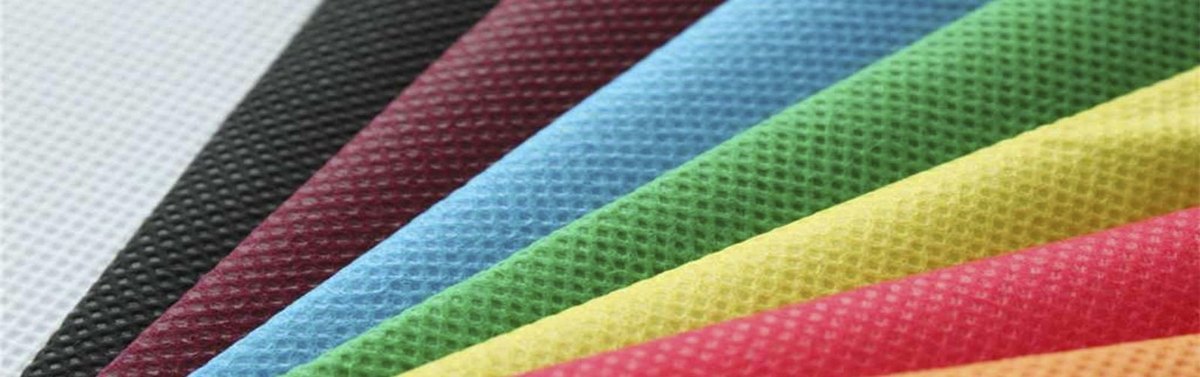
Every nonwoven starts as a web laid on a forming belt, and is consolidated in a second step — hydroentanglement (spunlace), needle punch or thermal bonding. The route differs; the belt is the constant. Aurora weaves the forming belts and conveyor meshes for all four web-formation routes — drylaid, airlaid, spunlaid and wetlaid — plus the dryer fabrics downstream. Anti-static, quick-draining, fiber-retaining, in polyester, PPS or stainless steel.
By process stage
Drylaid — carding & cross-lapping
Web formation
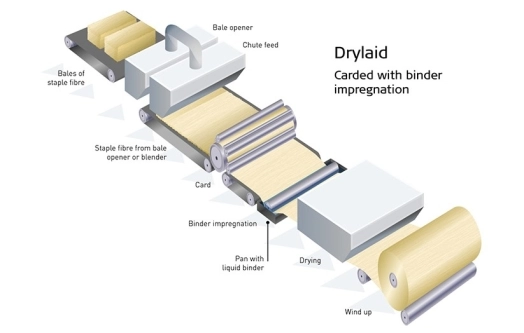
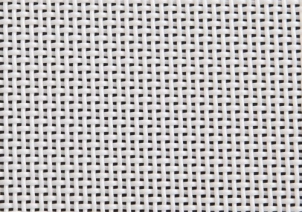
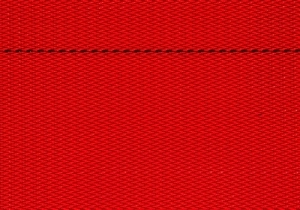
Staple fibers are opened, carded and cross-lapped into a batt on the forming belt. The belt under a drylaid line is a fine square mesh (dryer screen mesh): heat-set, flat and dimensionally stable, so the batt builds evenly and the belt tracks true through card and lapper, run after run.
Airlaid
Web formation
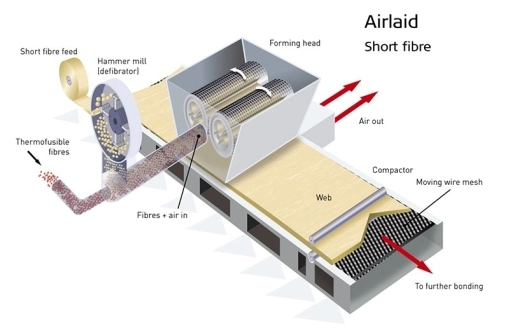
Short fibers and pulp are dispersed in air and deposited onto a forming fabric, with vacuum beneath pulling the web together in one step. Air permeability and fiber retention decide how even that web is — the two properties we tune first on an airlaid forming belt.
Spunlaid — spunbond & meltblown
Web formation
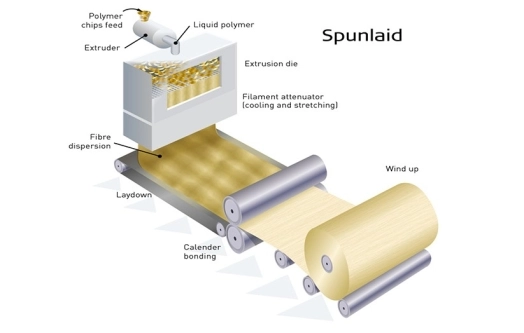
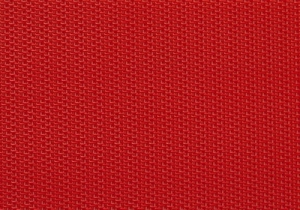
Polymer is spun, drawn and laid directly onto a forming screen under the spinneret — vacuum boxes beneath pull air through so the filament web lies flat. Downstream of bonding, anti-hydrolysis dryer fabrics carry the web through the line; the screen mesh for spunlaid and this dryer fabric usually come as a set from us.
Wetlaid
Web formation
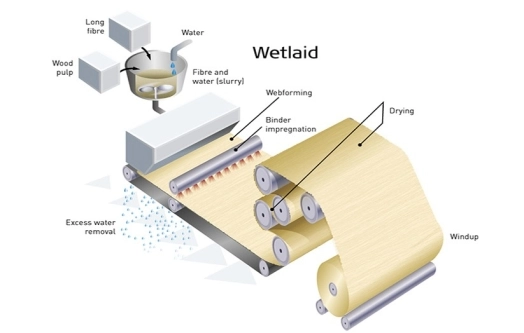
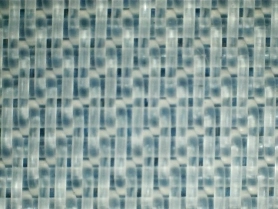
Wetlaid lines form the web from a fiber slurry, exactly as a paper machine does: the forming fabric drains water while retaining fiber. Fine, uniform openings and easy cleaning make our wetlaid forming fabrics a natural extension of the paper machine clothing we have woven for 30 years.
Seam types
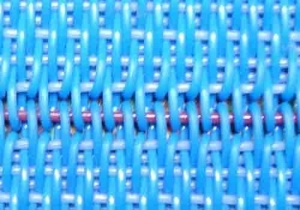
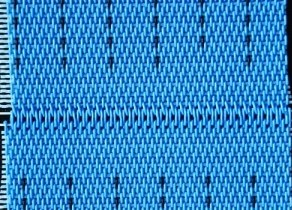
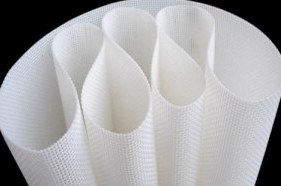
Every belt is joined to suit the machine: single loop for quick change-outs, double rim — standard on our anti-static fabrics — or a truly endless joint where the most sensitive webs demand it.
Materials, temperature & duty
Nonwoven belts run from 180 °C up to 260 °C duty — polyester as standard, PPS and stainless steel where heat demands it. Special weave structures keep the belt stable under needle looms and high-pressure water jets alike, and high air flow through the belt is what makes web bonding efficient.
Ask for the nonwovens fabric set
Machine model + duty = specification matched in 24 hours.
Tell us about your machine — we reply within 24 hours
Our engineers match weave, material, seam and edge to your duty. A photo of the old belt's data tag helps.